Comparing Emergency vs. Routine Dentists for Managing Tooth Pain Effectively
@oral-health-matters
When tooth pain hits, it rarely feels “manageable.” It interrupts sleep, changes how you eat, and turns simple tasks like brushing into something you dread. What matters most in those first hours is not just getting relief, but getting the right kind of help from the right type of clinician.
Choosing between an emergency dentist and a routine dentist for tooth pain can feel confusing, especially when both offer dental care. Still, the difference comes down to timing, triage, and how quickly a plan can be put in place. Below is how that plays out in real life, and how to decide who should see you first.
What “emergency” usually means for tooth pain
Tooth pain urgent dental care is often about speed and risk control. Not every ache needs emergency-level care, but some symptoms are clear signals that waiting can make things worse.
In my experience, people describe tooth pain in two broad ways. One is localized, sharp discomfort that comes and goes. The other is escalating pain that feels deep, throbbing, and increasingly hard to ignore. That second group is where emergency dentists tend to shine, because the clinic workflow is built for same-day triage.
Here are common situations that usually push the “emergency” button:
- Severe, persistent pain that does not respond well to over-the-counter relief
- Swelling in the face, gums, or around a tooth
- Fever, feeling unwell, or symptoms that suggest infection spreading
- Pain after trauma, like a chipped tooth or a blow to the mouth
- Difficulty swallowing or breathing, or rapidly worsening symptoms
A routine dental visit can still be appropriate for some of these if symptoms are mild and stable, but it depends on what’s happening in the mouth and how quickly it’s progressing. Emergency dentists focus on stabilizing the situation first, then setting the next steps.
The triage conversation matters more than the label
Whether you call it “emergency dentist vs regular dentist,” what you actually need is accurate triage. When you contact any dental office, you should be ready to share specifics: when the pain started, what makes it worse, what you’ve tried, and whether you’ve noticed swelling or fever.
Good triage questions include: - Is the pain constant or only with chewing or cold? - Any visible gum swelling, pimple-like bump, or bad taste? - Can you open your mouth normally? - Are you able to sleep at all?
That information helps the team decide if you need immediate evaluation, antibiotics, urgent imaging, or pain control while awaiting definitive treatment.
How emergency dentists typically manage tooth pain
Emergency dentists are built for urgent dental care: shorter appointment times when necessary, same-day availability, and a staff mindset focused on risk reduction. They’re not trying to replace your regular dentist long term. They’re trying to stop the pain cycle and address the most time-sensitive problems.
In practice, emergency care often looks like this:
- Rapid assessment of the likely source of pain (for example, infection, cracked tooth, abscess, or inflamed nerve)
- Exam of surrounding gums and bite pressure, plus checking for tenderness patterns
- Digital X-rays when indicated, because visible swelling without imaging can be misleading
- Pain relief measures and, when appropriate, urgent treatment planning
- Coordination with your regular dentist for follow-up, since ongoing care is usually smoother with continuity
One detail people don’t always expect: emergency dentists may recommend a temporary approach in some cases. For instance, if the tooth needs a root canal but the infection control must come first, they might focus on stabilizing symptoms quickly and scheduling definitive work. That can feel inconvenient, but it prevents delays that make the eventual treatment harder.
Also, emergency clinics tend to be more comfortable with the “it hurts too much to wait” reality. Toothache often causes people to miss work, stop eating, and lose sleep for days. When pain is that disruptive, getting evaluated sooner is a practical form of care, not just a convenience.
What routine dentists do when tooth pain is urgent enough to matter
A routine dentist, sometimes called your general dentist, usually offers more continuity. They may already know your medical history, past fillings, crowns, and how your teeth have responded to treatment. That familiarity can be genuinely helpful, especially when you’ve had similar problems before.
Routine care for tooth pain often works best when symptoms are early or stable, meaning you can get in within a reasonable timeframe. If you can book an appointment promptly, routine dentists can still provide key interventions like X-rays, cavity treatment, adjustment of dental restorations, and diagnosis that leads to targeted care.
Where routine care can fall short is timing. When the pain is escalating, swelling is present, or you’re losing sleep, waiting for the next available opening might cost you days of suffering. That’s when dentists for tooth pain comparison becomes more than a preference. It becomes a question of what your situation can tolerate.
A quick way to think about it
If your symptoms are mild, your ability to eat and sleep is mostly intact, and there’s no swelling or fever, routine dental help is often appropriate. If your symptoms are severe, rapidly worsening, or paired with infection signs, emergency care usually makes more sense.
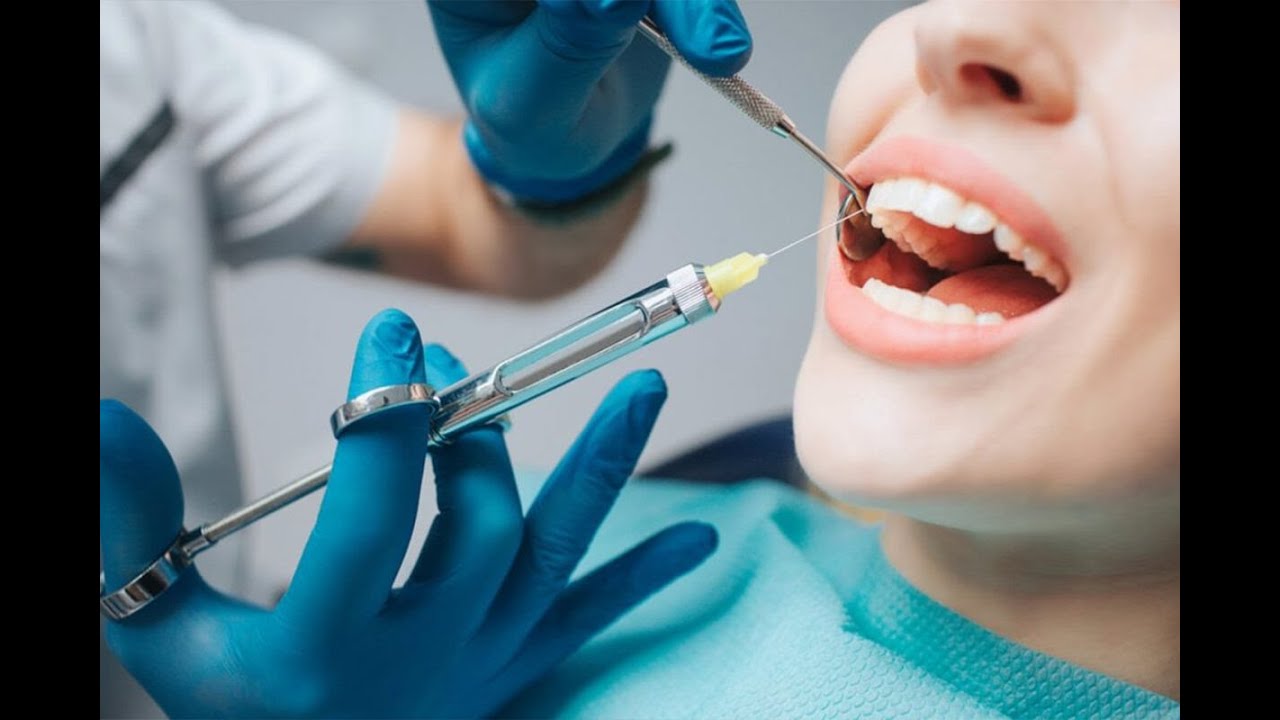
A simple rule I use with patients is this: if you would reasonably expect your pain to worsen overnight, don’t wait to find out. That’s where the right “best dental help for toothache” can change the next several days for the better.
Choosing between emergency and routine care, step by step
If you’re trying to decide who to call, you don’t need to diagnose yourself. You need a good decision process that respects the urgency of the pain.
Here’s a practical approach that helps people move from “panic” to “action”:
- Assess red flags immediately. Swelling, fever, trouble swallowing, or breathing are strong reasons to seek emergency evaluation.
- Judge the speed of change. Pain that ramps up over hours or becomes constant is more concerning than pain that stays mild.
- Consider how soon you can be seen. If a routine appointment is days away and the pain is intense, emergency care can be the safer choice.
- Think about your dental history. If the tooth is already crowned, heavily filled, or previously treated, continuity with your regular dentist can be valuable, but timing still matters.
- Call to triage, not just to schedule. Explain symptoms clearly and ask whether your situation sounds like tooth pain urgent dental care.
That process helps you avoid the common trap of delaying care because you’re trying to “stay with your regular dentist” even when the pain situation is beyond what waiting can manage.
One trade-off people don’t talk about
Emergency visits can be more expensive than routine visits, and they often focus on stabilization rather than long-term finishing. Routine dentists typically have more room for detailed treatment planning and longer appointment windows.
So, the ideal path for many patients looks like this: emergency evaluation to control the situation fast, then follow-up with routine care to complete treatment. That way, you get both speed and continuity.
When it’s best to call emergency first, even if you have a regular dentist
It’s very common to feel torn, especially if you already have a dentist you trust. You might worry that using an emergency dentist will “interrupt” your care. In reality, it often strengthens it, as long as you arrange follow-up.
If you’re weighing emergency vs regular dentist, here are moments when calling emergency first is usually the kinder choice to yourself:
- Your pain is severe enough that you cannot function normally, even with over-the-counter medication
- There is visible swelling or a tooth with a tender, inflamed gum area
- You have symptoms that make you think infection may be involved
- You suspect a crack, broken filling, or trauma and the pain is intensifying
- You’ve already tried basic measures and the tooth pain keeps worsening
In those cases, getting seen quickly is part of managing the problem effectively. You’re not just chasing comfort, you’re reducing the chance that an untreated issue turns into something more complicated.
If you end up at an emergency clinic, ask for clear next steps when you leave, including what they https://emergencydentistmaidenhead.co.uk suspect and what follow-up should look like. That information makes it easier for your routine dentist to continue care without guessing.
To manage tooth pain effectively, the goal is simple: stop the cycle of pain, identify the cause, and move toward definitive treatment as quickly as your situation allows. Choosing the right type of clinic is one of the most practical ways to get there.